
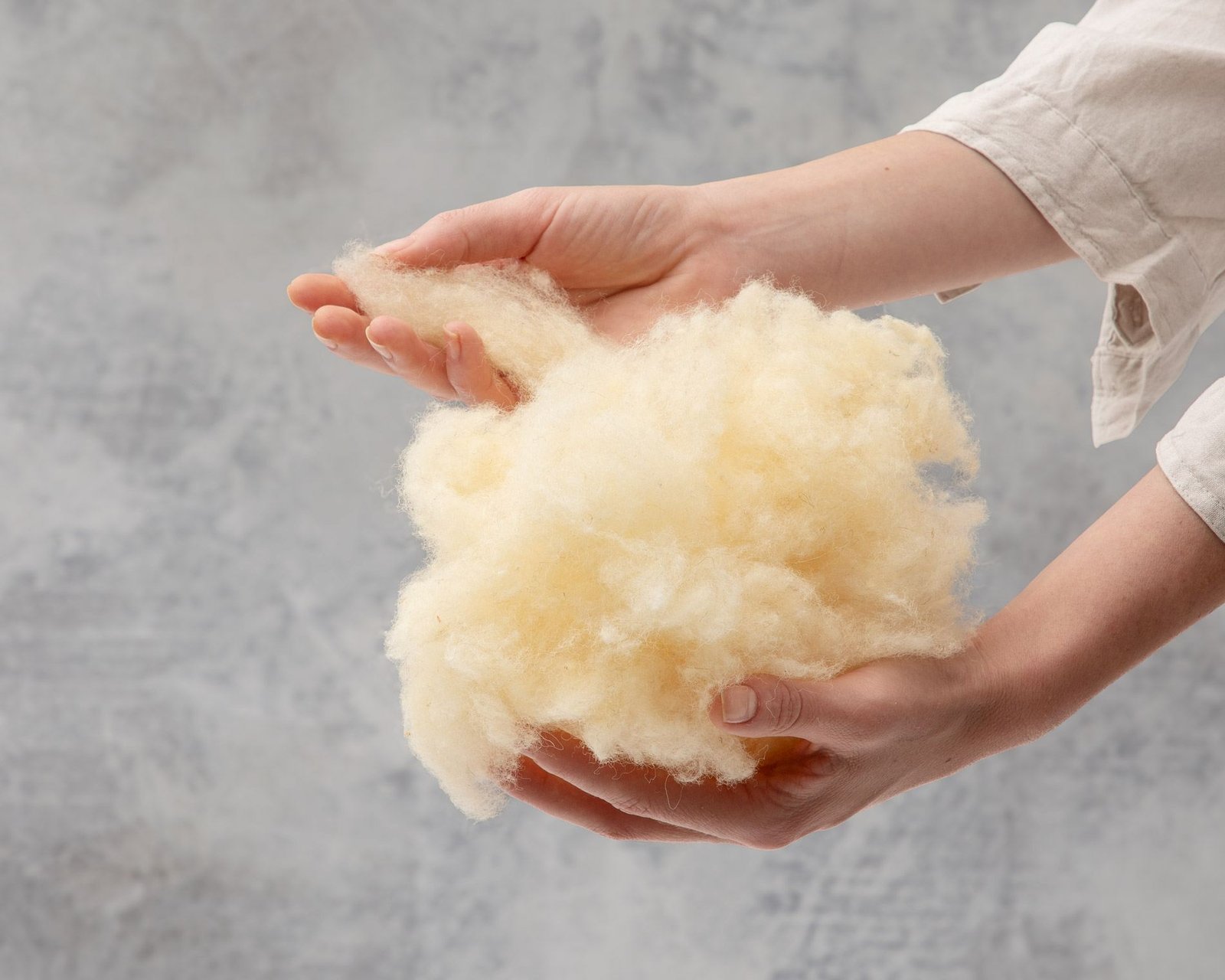
The Home of Wool team spends every working day with its hands in wool, and the article opens with the observation that the longer you work with the fibre, the more alive it seems: it reacts, adapts and largely looks after itself. Sleep on it, the team writes, and it looks after you too.
Why does wool bedding feel so different from everything else on the bed? The journal's answer is not a lab report. It is a walk through fifteen properties of the fibre, drawn from more than a decade of daily workshop experience and from what customers keep reporting back. Here is the article, condensed benefit by benefit, in its own running order.
All-Natural: Why Wool Creates a Healthier Sleep Environment
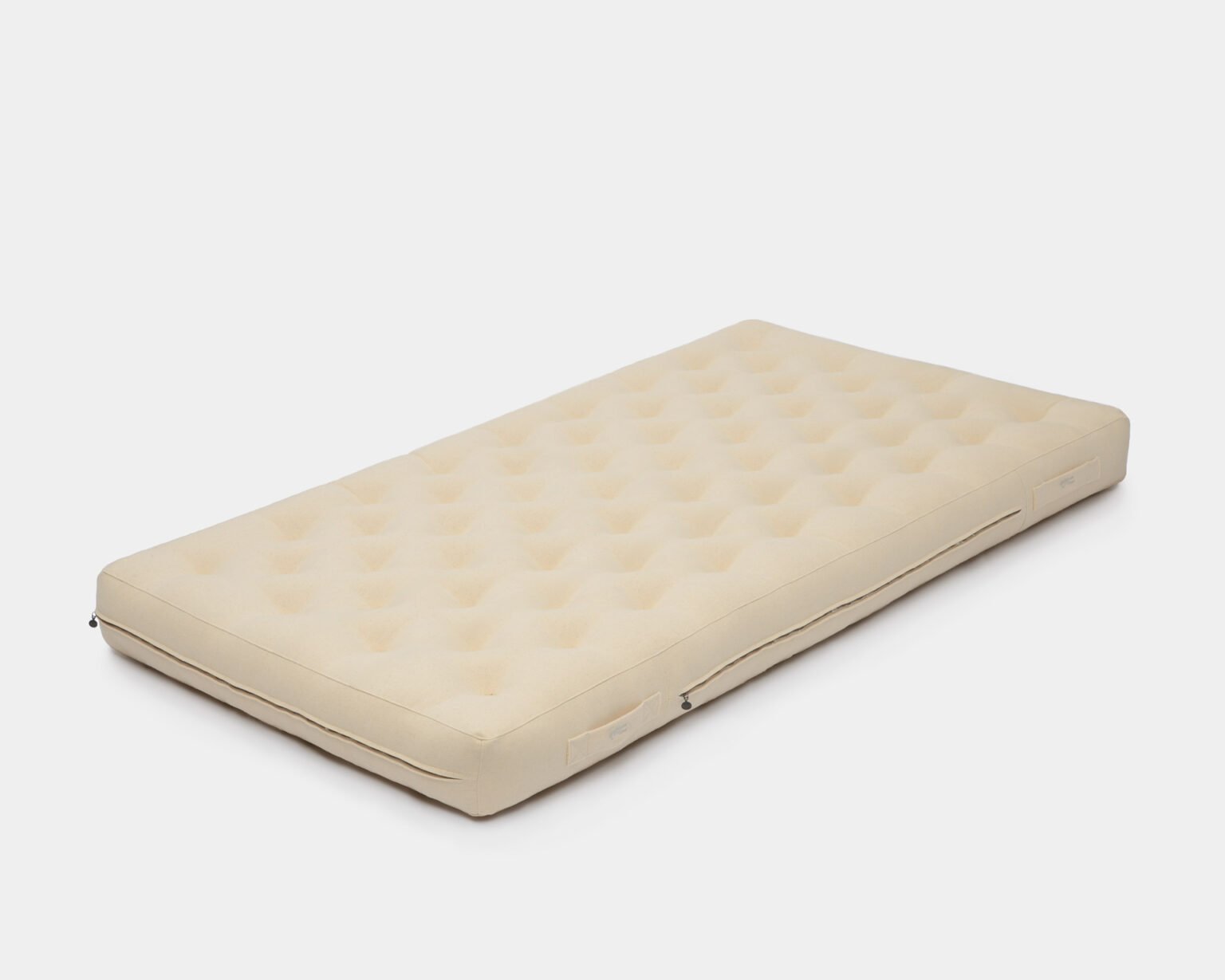
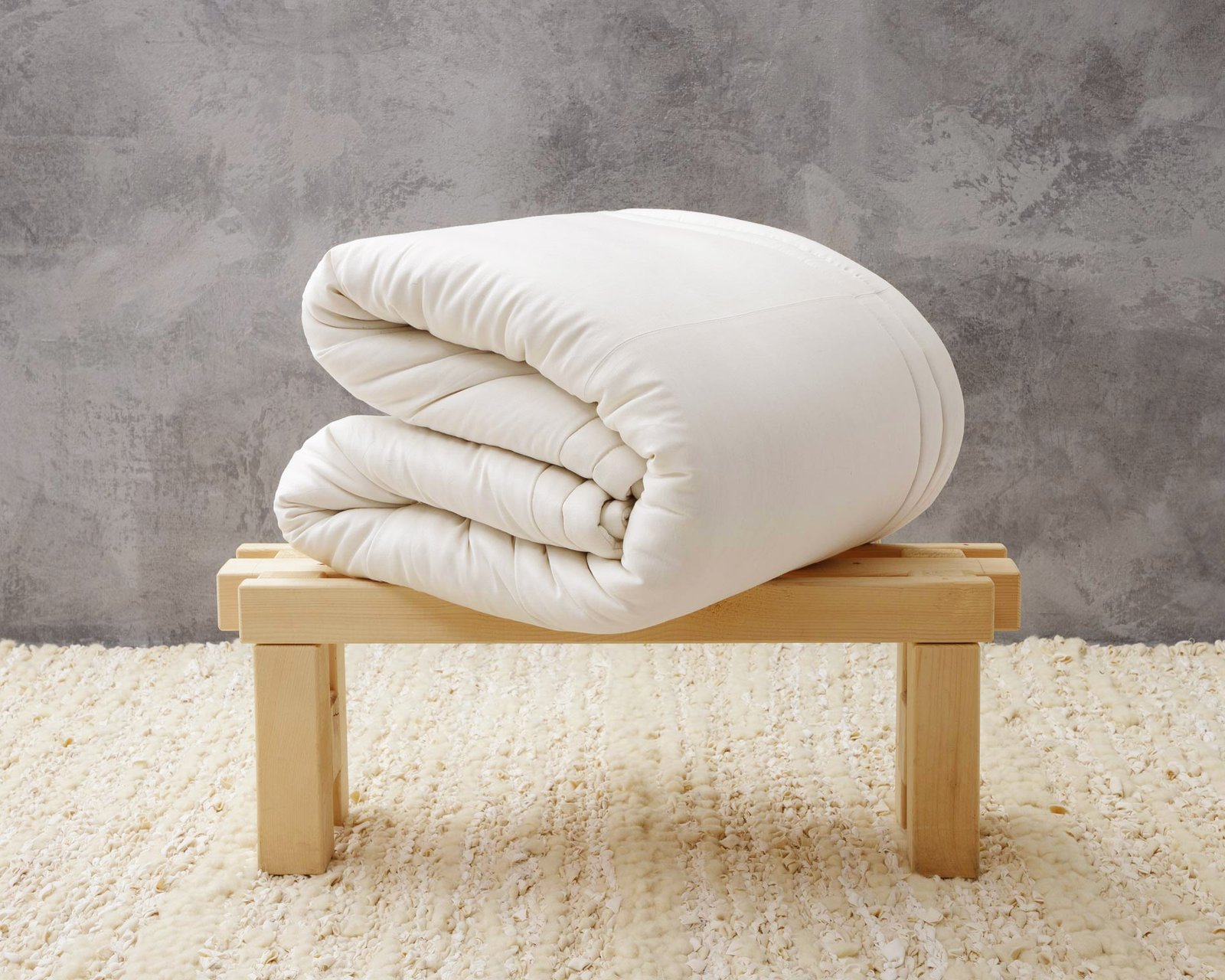
The article starts inside the bedding itself. Home of Wool sources its wool from a small Bulgarian mill that collects fleece from local herds during the yearly shearing that keeps the flocks healthy. The wool is washed with a GOTS-approved soap, carded, and that is the whole recipe: no finishes, no softeners, no mystery ingredients. That simplicity, the article argues, is a large part of why people feel better sleeping on it. There is nothing hidden in the bed to work around.
VOCs-Free and Non-Toxic: How Wool Supports a Safer Sleep Space
Many synthetic mattresses and foams release volatile organic compounds into the room, and not only when new. Wool releases nothing. The article runs through why VOCs are unwelcome, including irritation of the eyes, nose and throat, headaches and aggravated asthma, and notes that indoor air in urban areas can be two to five times more polluted than the air outside, a point it ties to the United States Environmental Protection Agency's guidance on reducing VOC exposure at home. Cleaner bedroom air matters most, the team writes, for babies and sensitive adults.
Temperature Regulative: How Wool Maintains the Ideal Sleep Climate
Wool fibres hold tiny natural air pockets that respond to your body temperature. Warm up, and the pockets let heat and moisture escape. Cool down, and they hold on to warm air. The result is a sleeping temperature that stays steady rather than swinging between too hot and too cold, and the team notes that many customers report waking less often at night in wool bedding.
"Most materials do one thing or the other. Wool does both."
Extremely Breathable: Why Wool Enhances Airflow for Cooler Sleep
Anyone who has kicked off a synthetic blanket in the small hours will recognise this one. Wool's fibres contain tiny channels through which air moves constantly, carrying moisture with it. The article cites the numbers behind that cooler feeling: wool can absorb up to 30 percent of its own weight in moisture without feeling damp, where cotton manages closer to 8 percent and many synthetics do not reach 2.
Diminishes Body Odor: How Wool Keeps Your Sleep Fresh Naturally
Because wool never lets moisture sit long enough for bacteria to thrive, it resists developing "that smell". It dries quickly, breathes easily and stays fresh, and the team notes customers washing their wool bedding far less often than their previous bedding for exactly this reason. The article's memorable everyday proof: wool socks that can be worn for days without complaint.
Moisture Regulative: Wool's Ability to Deliver Sweat-Free Sleep
Does wool actually help people who sweat at night? The team hears the question constantly and answers yes: wool absorbs moisture the moment it appears, then releases it gradually into the air, which is why night-sweaters often report feeling drier and calmer under it. Science, as the article puts it, that feels like magic.
Dust Mite Resistant: Why Wool Protects Your Sleep from Allergens
Dust mites want warmth and humidity. Wool's dry, breathable nature is the opposite of what they are looking for, so it keeps the sleep environment cleaner without chemical sprays or treatments. The article singles this out as one of the strongest wool benefits for sensitive sleepers.
Hypoallergenic: Wool's Natural Advantage for Sensitive Sleepers
Wool does not trap moisture or mould, and it does not hold on to allergens the way feathers or synthetic fills can. The team recounts customers with asthma and multiple chemical sensitivity telling them wool was the first bedding material they could genuinely tolerate, and names this as one of the reasons the workshop refuses to treat its wool with anything synthetic.
Super Durable: How Wool Ensures Long-Lasting Comfort and Sleep Support
Push a finger into foam and the dent often stays. Wool springs back. The article cites the fibre mechanics behind that resilience: a single wool fibre can bend around 20,000 times before it breaks, where cotton gives up at around 3,200. That difference is why wool bedding holds its structure and comfort over years rather than seasons.
Flame Resistant: Wool's Built-In Safety for Peaceful Sleep
Wool is simply hard to ignite. It does not melt, drip or flare the way many synthetics do; it chars slowly, buying time and reducing risk, which is one reason wool has appeared in firefighters' protective gear. For bedding, the practical consequence is that wool can meet safety standards without chemical flame retardants: a rare case, the article notes, where the safest option is also the most natural one.
Isolates Motion Transfer: Wool for Still, Undisturbed Sleep
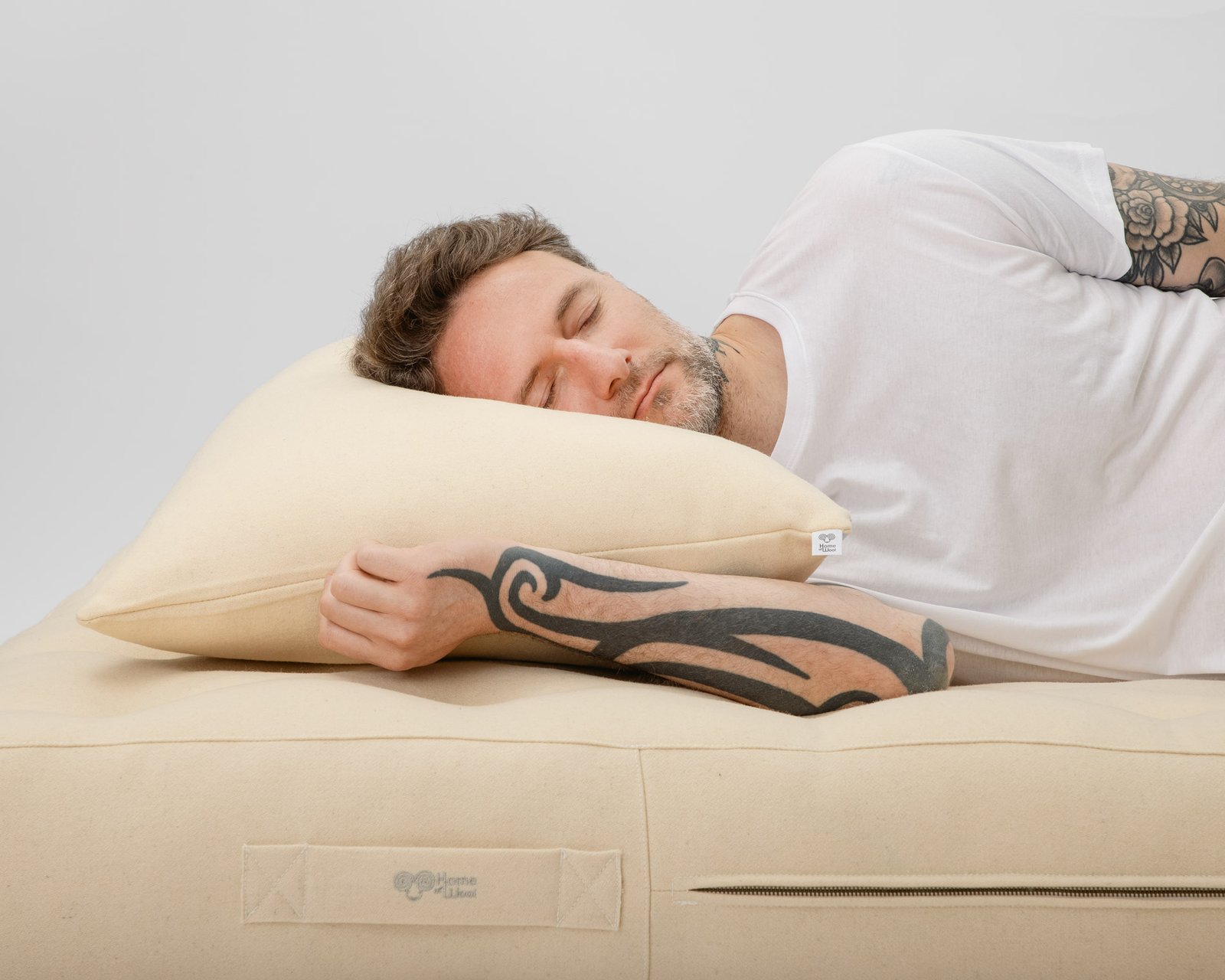
Wool absorbs movement rather than passing it across the bed, so a partner rolling over stays their own private event. Couples, the team writes, often say this small detail changed their sleep more than anything else.
Exceptionally Supportive: The Wool Structure That Improves Sleep Posture
Support, as the article defines it, means the body feels held but not pushed. Wool adapts to weight without collapsing: shoulders sink in just enough, the spine stays aligned, pressure points relax, and the body settles into a position that feels right.
Mildew Resistant, Antimicrobial and Anti-bacterial: Wool's Role in a Cleaner Sleep Environment
The same moisture management does the housekeeping. Because dampness never sits in wool for long, mildew rarely gets a chance, and the textured surface of the fibre is unappealing to bacteria. The workshop describes wool as one of the cleanest natural materials to sleep on, with mildew appearing only in extreme circumstances.
Renewable, Biodegradable and Sustainable: How Wool Supports the Planet and Your Sleep
At the end of its long life, wool returns to the earth: it biodegrades and releases nutrients into the soil, leaving no microplastics behind. Sheared afresh every year, it is renewable at the source too, so choosing wool bedding supports a healthier ecosystem from the first night to the last.
Wool: The Natural Fiber Transforming Sleep, Health and Home
The article closes by pointing to research from the University of Sydney which, it says, found that people fall asleep faster in wool, stay asleep longer and wake less during the night. The workshop's own conclusion is less academic and more practical: wool works with your body rather than against it, so instead of forcing comfort, let the fibre do what it naturally does. A calmer night, a steadier temperature, fewer disruptions.

Originally published on the Home of Wool journal. This page condenses the article for the prototype; the full version, with every benefit in the team's own words, lives at homeofwool.com/blog/wool-benefits.